Recent geopolitical developments have intensified debates over the evolving nature of U.S. global power. The central question is whether Washington is deliberately entering a new, https://www.weforum.org/stories/2026/01/special-address-by-friedrich-merz-federal-chancellor-of-germany/more assertive phase of international engagement, using both military and economic tools. Actions affecting Venezuela and Iran are key examples, raising doubts about the future direction of U.S. global strategy. Such moves are reshaping how other major powers calculate risks, but while Russia and China maintain close ties with these states, their lack of direct military response signals a preference for restraint—reflecting their desire to avoid escalation and protect other strategic interests. Their choice of diplomacy over confrontation underlines the changing stakes in global power competition.
Operation Southern Spear exemplifies the U.S.’s new approach to power projection, https://www.navy.mil/Press-Office/Press-Releases/display-pressreleases/Article/4044322/operation-southern-spear-latest-development-in-operationalizing-robotic-and-aut/#:~:text=ABOUT-,Operation%20Southern%20Spear:%20Latest%20Development%20in%20Operationalizing%20Robotic%20and%20Autonomous,RAS%20into%20the%20maritime%20environment.%E2%80%9D marking a shift from traditional military interventions to targeted law-enforcement operations. This evolution, reflected in the rebranded “Donroe” Doctrine, signals to rivals that U.S. legal and military reach now extends far beyond borders. The U.S. intention to replace prolonged occupation with decisive, limited actions is embodied in the removal of Nicolás Maduro and Cilia Flores from Venezuela, achieved not through classic invasion but via a precise, covert operation. This strategy aims to neutralise threats rapidly, undermining hostile governments without direct occupation, and demonstrates that the U.S. now values precision and certainty over sheer military presence.
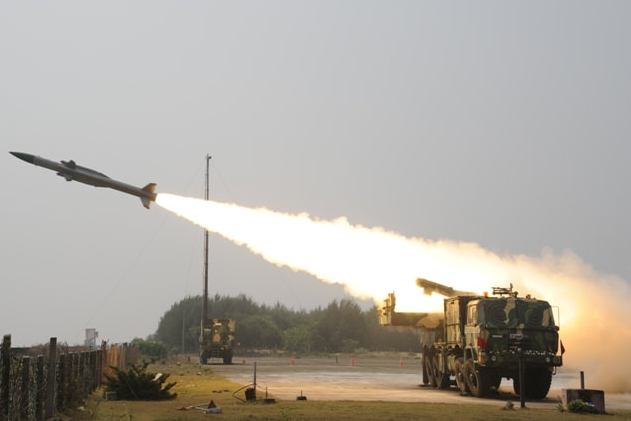
Central to this new era is the American integration of economic and military power, now deployed as complementary weapons to achieve foreign policy aims. Economic statecraft has evolved into a core component of U.S. warfare, where sanctions and dollar dominance are used to destabilise adversaries before—or instead of—military action. Statements from Treasury Secretary Scott Bessent highlight this causal logic: financial pressure is a deliberate tool to provoke internal crisis in hostile regimes, https://www.aljazeera.com/economy/2026/2/13/us-says-it-caused-dollar-shortage-to-trigger-iran-protests-what-that-means thus complementing military capabilities and reducing the necessity for large-scale deployments. Sanctions have become instruments of coercion, not just diplomatic censure.
Washington is currently leveraging its role in the global financial system to enforce compliance through a 25 per cent tariff mandate. This policy targets any country trading with the Islamic.
Republic of Iran. The move creates a precarious choice in the global trade landscape. China is the primary focus of this pressure because it purchased 77 per cent of Iranian oil exports in 2024. By making continued trade with Tehran economically ruinous, the United States forces strategic rivals to choose between ideological allies and access to the American market. The reality remains that economic pressure is a precursor to direct military decapitation.
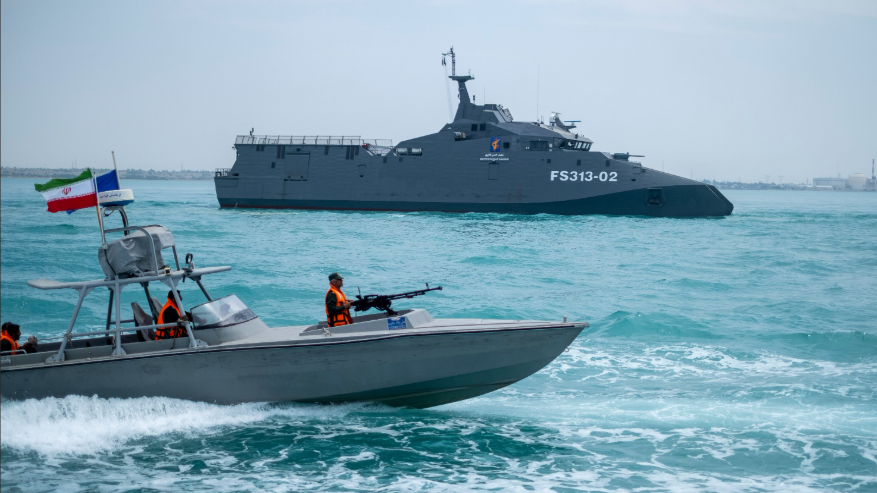
The transition from negotiation to sudden, violent exit reached its zenith during the operation.
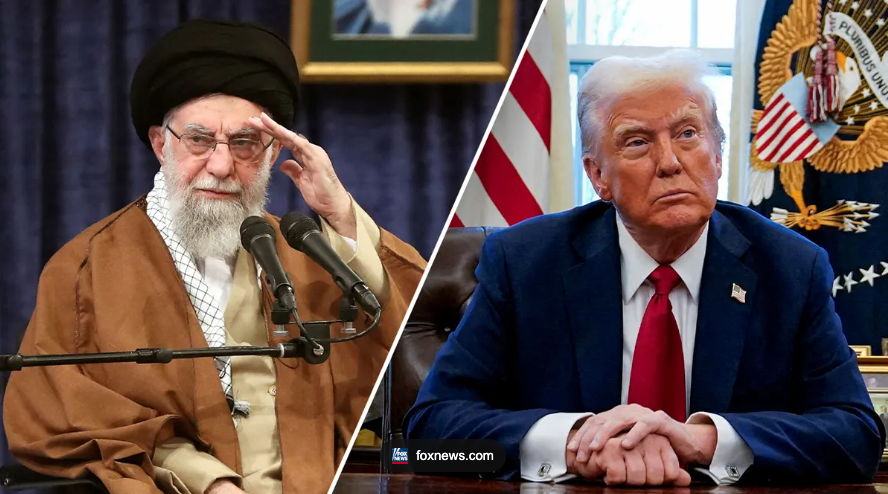
Operation Midnight Hammer marked a significant turn during the Twelve-Day War with Iran and interrupted ongoing nuclear negotiations. U.S.-Israeli military actions on February 28, 2026, resulted in the deaths of the Supreme Leader, Ayatollah Ali Khamenei, and several members of the Islamic Revolutionary Guard Corps (IRGC) high command. The objectives of the operation, according to official statements, were to preserve regional security without long-term engagement. The approach deviated from previous strategies, indicating a move away from large-scale, troop-dependent interventions and communicating a clear stance regarding nuclear-capable regimes.
By swapping massive troop numbers for high-intent strikes in Tehran and several parts of Iran, the political fallout of intervention essentially vanished. The United States can eliminate an existential threat without launching a long, protracted campaign.
The fall of Caracas and the strikes on Tehran exposed the fundamental vulnerabilities of the CRINK+ Axis (China, Russia, Iran, and North Korea). Neither Russia nor China intervened directly to protect their strategic partners during these interventions. Moscow’s reaction remained muted and limited to standard diplomatic protests. This silence is a direct result of strategic overextension in Ukraine. The reaction from nationalist circles in Moscow was visceral. Military bloggers like Maxim Kalashnikov have decried the lack of response as treason.
China faced a different set of constraints. Beijing is Venezuela’s largest creditor, with over $100 billion in investments. While Chinese officials condemned the arrest of Maduro as a violation of international law, their actions focused on protecting their financial interests through the Global Security Initiative https://www.nbcnews.com/world/asia/china-maduro-capture-venezuela-taiwan-global-power-rcna252283 . Beijing was forced to choose between an ideological stance and the security of its assets. It chose the latter. The retreat of these major powers confirms that the United States dictates the global tempo. Adversaries are partitioning their own ecosystems to avoid American influence. These closed circles cannot withstand direct U.S. resolve.
The current geopolitical landscape is defined by conditional sovereignty. Financial and military resolve have transformed the order of the 21st century. Authority now exists only so long as it does not directly threaten the American core. The rules-based order has been superseded by a paradigm in which the strongest defines reality. Hostile regimes now understand that their authority exists only as long as it does not directly threaten American national interests. The use of military might and economic statecraft provides a new architecture for global power. This system offers a way to manage crises without the exhaustion of endless wars. It relies on the credible threat of advanced military operations to maintain a global balance.
The central question remains: does this new U.S.-led architecture enable lasting peace, or does it simply create a more efficient, yet potentially unstable, system of global confrontation? The text asks whether greater certainty and lower intervention thresholds improve security, prompting the reader to consider the risks and benefits of this strategic shift.