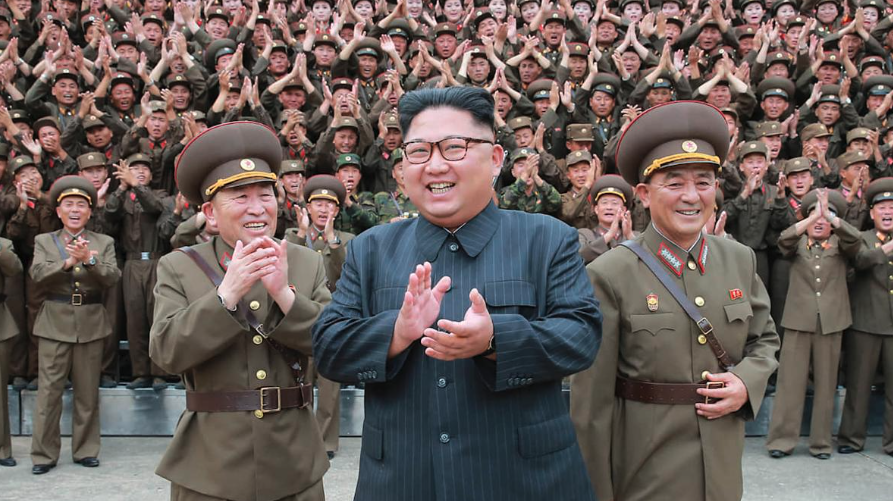
North Korea remains one of the most isolated and secretive nations in the world. Officially known as the Democratic People’s Republic of Korea (DPRK), established in 1948. The country purposely isolated itself from the rest of the world. As a state buried in mystery and irregularity, decades of authoritarian rule, ideological manipulation, and military buildup have been contributing factors that have shaped the view of the world towards the DPRK.
Is the DPRK’s isolation a sign of global stability or a growing, neglected threat that the world should be cautious about?
Both strengths and vulnerabilities have been the benefits and consequences of the isolation from the global system. Although the isolation enhances the regime to have rigid control, monopolise information, suppress the citizens, and ensure full control of https://www.bbc.com/news/articles/ckgqdz17ye3o the state’s economic activities. This power framework ensures allegiance to a central power but hinders economic development and prevents innovation.
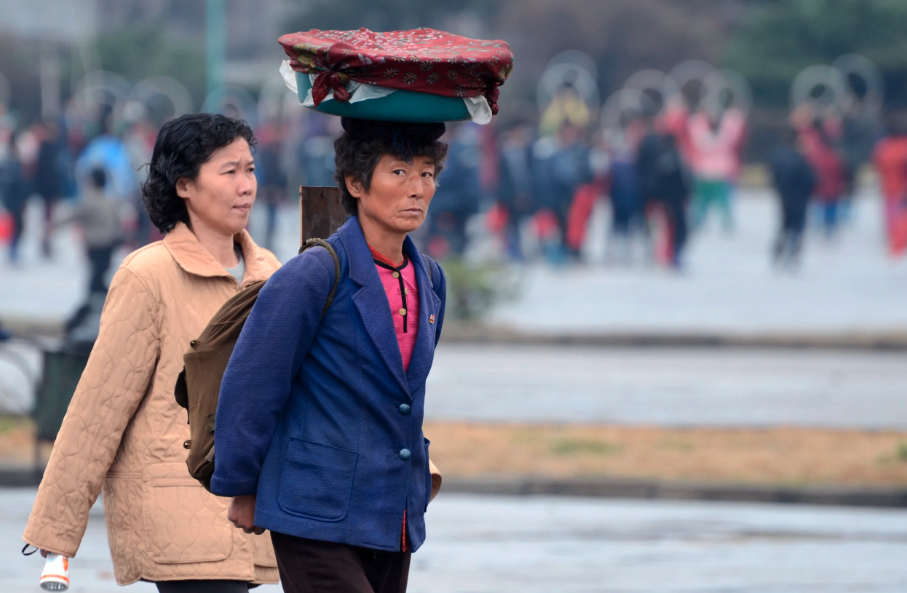
From an economic perspective, the state suffers severely from insufficient international trade, limited access to technology, and ongoing sanctions, leading to stagnation in economic revenue. As a consequence of the economic issues, shortage of food, and poverty are constant problems, while the state neglects the suffering of the people and prioritises spending on military development.
The country managed to sustain its economy through secret and illicit trade with neighbouring countries, specifically China and Russia. Despite the high cost of developing the military, which leads the population to go through a high burden of constant deprivation of common necessities, the leader continues to invest heavily in nuclear and missile programs.
Isolation as a Shield
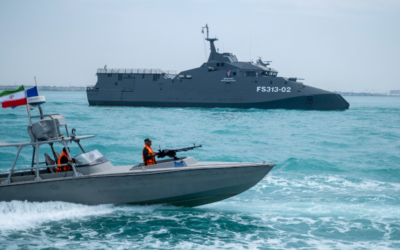
It is not surprising that Pyongyang has developed a series of ballistic missiles capable of reaching international targets. Also, for the past decades, the DPRK has simultaneously conducted a series of nuclear tests;https://www.aljazeera.com/news/2025/10/22/north-korea-fires-unidentified-ballistic-missiles-towards-east-sea-seoul. The main objectives behind the motive are deterrence and leverage. International analysts’ observation is that DPRK’s nuclear capability serves as a protection from international interference that might lead to invasion or infiltration. Yet, it prevents potential allies and escalating citizen suffering.
Both combinations of isolation and prevention pressure present a critical question for the rest of the world. There is a limitation in the level of engagement with the country due to its reliance approach. Also, the absence of transparency and insufficient communication increases doubt and uncertainty about the intention behind the DPRK’s nuclear power.
Humanitarian
The isolation extends beyond controlling the people or the full economic and political manipulation. Information within the country is tightly controlled; there are restrictions on the use of the internet, a lack of media exposure, and even contacting family abroad is prohibited. The education system is centred around educating the citizens to distrust foreign countries, making the populace unaware of global realities. For example, escaped defectors give detailed analyses of their shock at discovering the way of life of neighboring South Korea, where the citizens enjoyed more freedom in a prosperous environment. DPRK strictly controls information, providing both psychological and political barriers that ensure citizens remain absolutely loyal and unable to challenge the regime.
Isolation: a good sign or warning
The country’s detachment reduces direct engagement in international conflicts, thereby opening the door for doubts and increasing the risks of miscalculation. This lack of communication leads to diplomatic misunderstandings and deepens mistrust. For global security, the isolation https://www.war.gov/News/News-Stories/Article/Article/4152129/top-general-says-north-korea-continuing-weapons-development-becoming-more-isola/ presents a serious challenge.
The unpredictability of the regime accumulated the difficulties encountered by other countries in anticipating DPRK intentions or actions. Furthermore, DPRK’s ongoing weapon development, combined with the present economic situation of the country, might push the regime to a desperate level, which may lead the regime to engage in illicit trade with other sanctioned countries.
From the economic perspective, the isolation contributed to regional underdevelopment. South Korea, China, and Japan, which are neighbouring countries, could have benefited from trade with North Korea; unfortunately, the political situation hindered business and economic cooperation.
The World Dilemma: Engage or Contain?
Whether to engage with the self-isolated country is a persistent dilemma for the global community. Sanctions and deterrence have been a consistent diplomatic approach from the international community. Continuous failure in the part of the world to persuade or pressure the DPRK to engage with the other nations, due to mistrust, is also an issue that requires international debate. Unfortunately, sanctions have failed to change the regime’s approach to the international community but have worsened the humanitarian crises in North Korea.
According to experts, it is necessary to maintain a rigid approach towards the DPRK, while giving limited access for humanitarian and scientific cooperation is also paramount.
Cultural exchange, a trade agreement that is well-controlled, or the opening up of a regional security communication channel to boost confidence-building measures. Although the proposed model might not instantly bring enormous changes, but could serve as a corridor for risk reduction and enhance gradual contact with the self-isolated state.
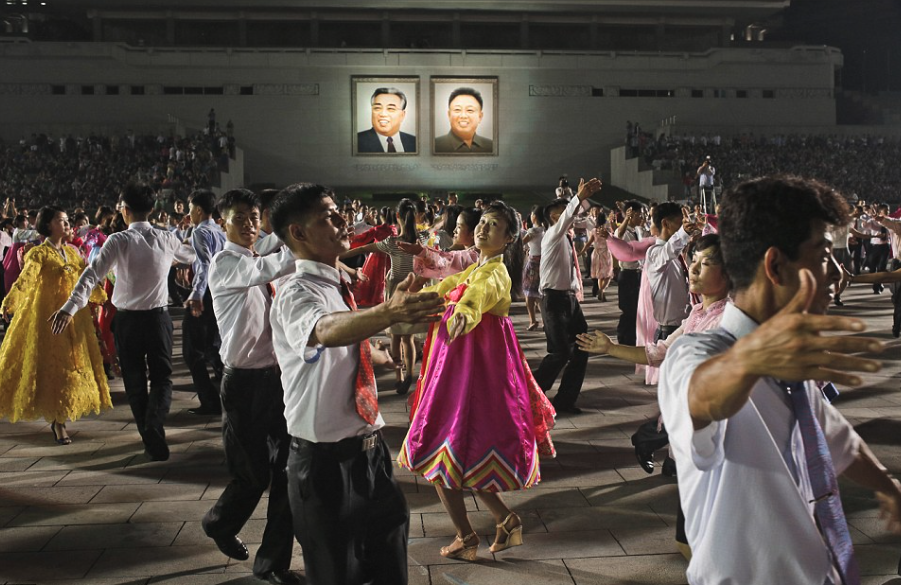
Clearly, DPRK isolation can be seen as both protection and prison. This strategic decision by the regime to seclude itself from the world has allowed the regime to maintain political manoeuvres but hindered national progress. While it ensures international stability, it also advances international tension. Misunderstandings can escalate into crises due to ineffective communication or a lack of communication.
For the global community, North Korea’s isolation is not an indication of peace but must be perceived as a warning. This is a country that is armed with nuclear capabilities, an uneasy economy, and a rigid ideology that poses a long-term risk to global security. http://However,https://www.france24.com/en/20111230-north-korea-warns-kim-jong-il-jong-un-south-asia-diplomacy-funeral-deathtotal total exclusion may reinforce Pyongyang’s intention, and he might see the outside world as a great enemy.
Cautious and strategic engagement enhances mutual respect and sovereignty but promotes transparency and encourages effective dialogue. Pursuing consistent but low-risk interaction is necessary at this moment, rather than for the world to wait for crises.
Ultimately, aggressively approaching or totally neglecting North Korea is absolutely unnecessary. Instead, the isolation can be transformed into useful cooperation by applying a patient approach in diplomacy and mutual understanding. Arguably, the proposed approach could lead North Korea’s isolation from the world to shift from a symbol of fear to a potential pathway for gradual change