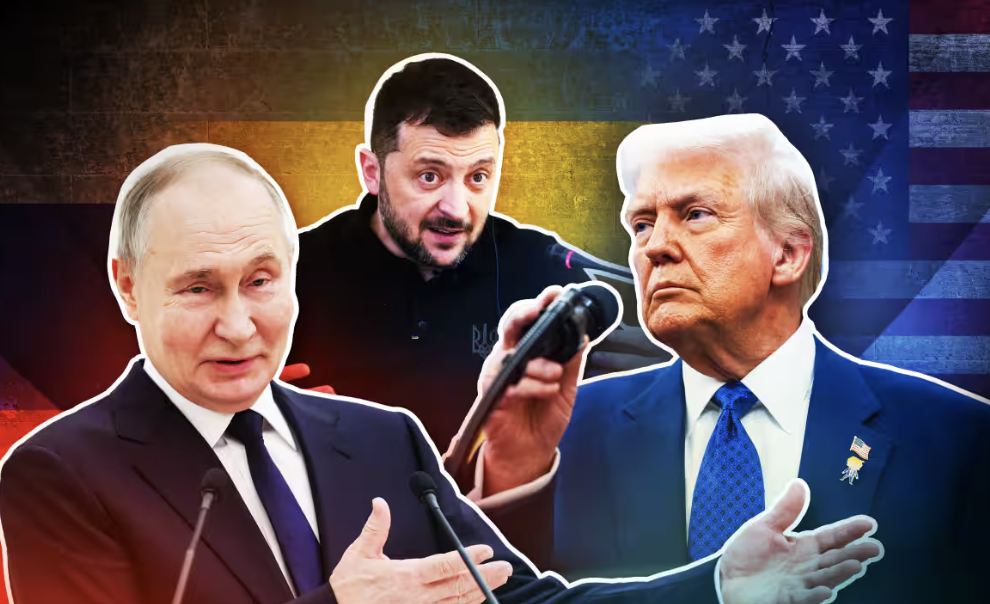
Recently, Donald Trump unveiled a 28-point peace proposal that has raised a global debate.
According to observers, the so-called “pragmatic blueprint” to end the war is disproportionately a reward to Russia, sabotages Ukraine’s sovereignty, and weakens its long-term security. With some elements of mixed territorial concession and restriction on military and economic activities, the proposal signals a departure from the current Western concession.
By examining the political calculus behind it, one will https://www.nytimes.com/2025/11/24/us/politics/trump-peace-plan-russia-ukraine.html understand the potential impact, who stands to gain, who risks losing, and whether the plan can deliver a durable peace.
The Architect of Power in Trump’s Plan
Trump’s peace proposal positions Washington as the central broker and undermines NATO’s footprint. In summary, the plan preserves a non-aggressive pact between Russia, Ukraine, and Europe, mediated by the U.S. Also, included in the plan, Ukraine will be constitutionally prohibited from joining NATO, and a ban on foreign troops to be on standby on its soil.
Furthermore, the blueprint constrains Kyiv’s defence capabilities by capping the country’s military at 600,000. Agreeing to this defence plan, in exchange, Washington’s security backup is guaranteed with the pledge that Russia will be re-sanctioned and military responsiveness will be reinstated if Russia re-invades.
Moreover, Russia’s frozen assets (reported to be around 100 billion US dollars) https://www.ft.com/content/8922b0f8-e7d8-4874-ac97-3c699a3055a7 will be used to rebuild Ukraine with another $100 billion in support from European sources. This indicates that the peace deal applies to both military and economic approaches. More importantly, the plan envisions long-term U.S.-Russian cooperation, specifically in energy, infrastructure, artificial intelligence, and mining. Overall, for President Trump, it is not just a peace deal but also a reset in geopolitical direction.
Pragmatism or Capitulation? The cost to Ukraine
President Trump’s win-win situation between Ukraine and Russia is to put an end to the war while reshaping the European security framework. International observers see it as dangerous and unequal for Ukraine. The peace blueprint indicates that Russia would gain de facto recognition of Crimea, Donetsk, and Luhansk territory, which it seized during the war.
Analysts also warn that the reduction of the Ukrainian army to 600,000 could leave the military weakened and undercut its deterrence capacity. Also, requiring Ukrainians to hold elections within 100 days might influence political stability and attract external influence.
Viewing it from a political perspective, the permanent renouncing of NATO membership by Ukraine is more than a security issue; it is a matter of national dignity. Zelensky framed it as a difficult decision between “losing dignity or losing a key partner.”
Power Dynamics and Global Repercussions
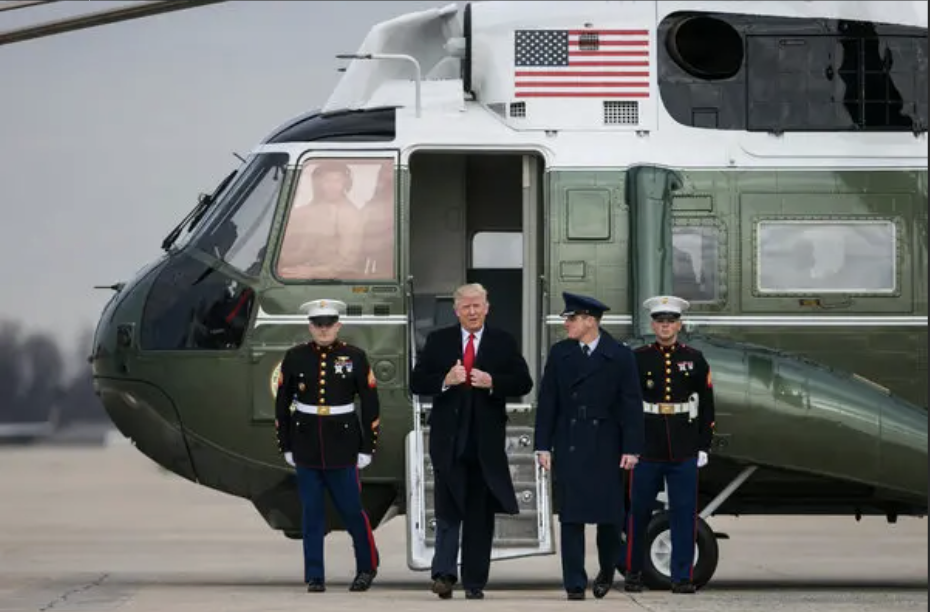
Positioning the United States as a broker of peace and not just a military guarantor reflects Trump’s political ambition. Through the deal, President Trump attempted to reassert Washington’s leadership through diplomacy and not only by military might. Global actors may appeal to this because of years of war. Without doubt, the deal also signals a pragmatic pivot, which is a willingness by some European powers to accept Russia’s territorial gains and reduce NATO’s role in Ukraine.
This is a diplomatic victory for Moscow. Ruling out NATO expansion and lifting sanctions in phases, progressively, Russia might secure legitimacy over its territorial claims and open doors for economic cooperation with the West. Some analysts suggest, Putin could be playing with Trump for a more significant reset in relations.
Europe has a mixed https://www.twincities.com/2025/11/26/trump-ukraine-russia-whats-next/ reaction; peace researchers in Germany warn that the rapprochement between the U.S. and Russia could undermine NATO’s future. In the meantime, the European powers continue with their support for Ukraine‘s territorial integrity and caution about the imposition of borders by force.
The Human Dimension: Peace at What Cost?
The human cost remains stark, but President Trump continues marketing the peace deal as purely a reconciliation. Ukrainian society could be deeply wounded by a peace deal that welcomes Russia’s control over contested regions. Human rights advocates argue that the plan supports injustice and legitimises aggression; this may leave Ukraine defenceless, rewarding Putin while undermining democratic norms. Furthermore, the peace deal includes some controversial cultural provisions which require Ukraine to ban “Nazi ideology,” aligning with Russia’s historical narratives. Many Ukrainians perceive this as echoing Moscow propaganda and threatening Ukraine’s national identity. Also, serious questions were raised over accountability concerning the grant of amnesty for all wartime actions.
Political Calculus: Why Trump is Pushing This Now
Trump is motivated by several political moves. First, a successful peace treaty would be framed as an important foreign policy achievement, which is a symbolic payoff. Trump, who has long echoed himself as the best person who knows how to deal, can claim the victory for himself.
Secondly, the long-term economic cooperation with Russia presents both public and private gain, whereby Trump’s closeness to some Russian economic circles may stand on this, personally and geopolitically expedient.
Thirdly, the reduction of NATO’s role and the limitation of Ukraine’s alignment with its alliance are seen as signs of rebuilding the structure of European security and position Washington as the main player rather than a military guarantor.
Finally, the plan suits Trump’s “America First rhetoric,” repackaged as “peace through pragmatism.” It could appeal to the American electorate as a peace-building appeal and proactive overseas engagement.
Risk, Rejection, and the Question of Feasibility
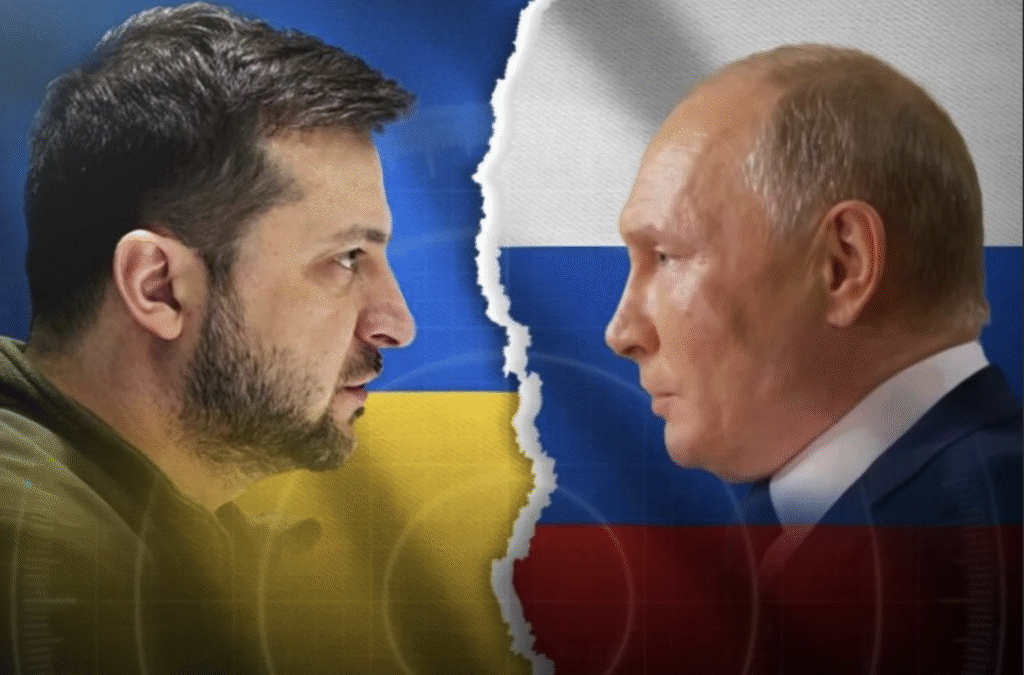
The plan faces formidable obstacles from https://www.usnews.com/news/world/articles/2025-11-21/top-ukraine-security-official-denies-accepting-terms-of-trumps-peace-plan. Zelensky and Ukrainian officials have expressed deep reservations. Many in Kyiv view the conditions as capitulation, not reconciliation. Furthermore, the requirement for rapid elections and disarmament further compounds the complications.
Also, Russia’s response deviates from Trump’s vision. Although some Moscow officials have accepted parts of the deal, others advocate for the acceptance of total victory. Implementing the 28-point pragmatic blueprint of peace through the new “peace council” might be difficult to achieve even if the Kremlin agree in principle; the whole deal plan raises questions about neutrality, legitimacy, and monitoring.
Moreover, European allies are skeptical about the approach. From some NATO members’ perspective. Freezing the line of conflict and conceding territory is against the principle of national sovereignty. Total absence of European acceptance in the deal will be seen as an agreement without both durability and moral standing.
Trump’s 28-point plan marries ambition with pragmatism, which is a high-stakes and political gambit, leveraging the American approach of negotiation to reconstruct the peace plan of the ongoing war in Ukraine. In justifying his broker role, Trump binds peace to concession, a view by many as fundamentally unjust, raising complicated political and moral questions.
Acceptance of the plan would mark the beginning of a great shift in European geopolitics, a deal that prioritizes Russia’s ambition, pushes Ukraine outside of NATO, and positions the U.S. role as a guarantor and mediator. On the other hand, the rejection might reduce the trust between Kyiv and Washington and isolate Russia diplomatically.
Arguably, the plan forces a reckoning; can power and pragmatism be a stage to genuinely build peace upon, at the same time serving the principle of justice, sovereignty, and human dignity, or is it just a political manoeuvre disguised as diplomacy?