China’s largest-ever military parade, Trump tariffs, and the struggle for Global Independence: Part A
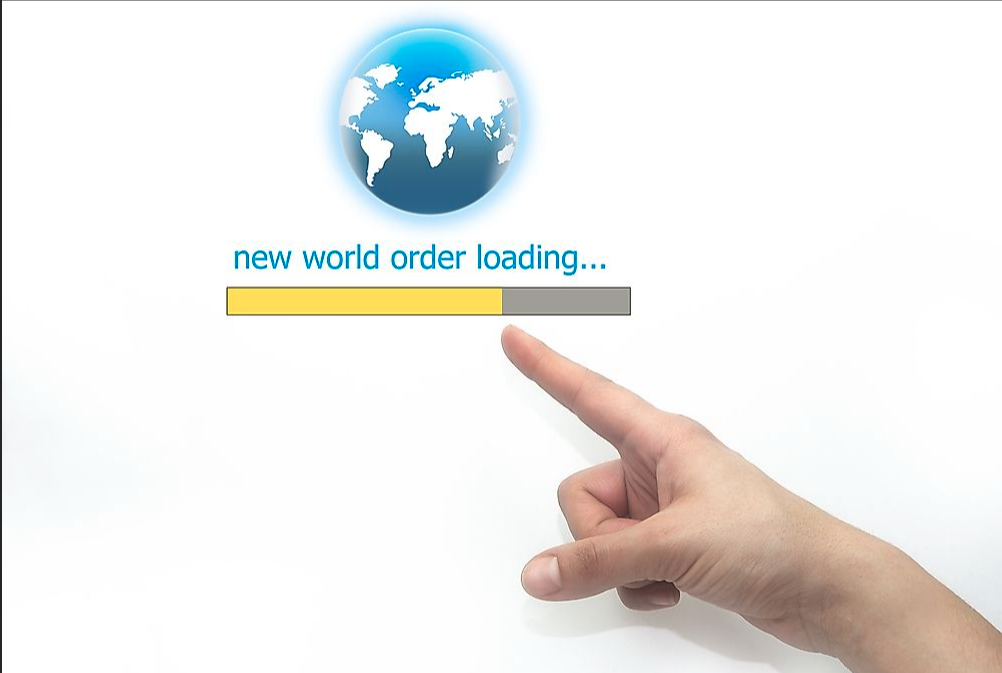
Remarkable changes in global politics and economics have dominated the international stage in the 21st century. New emerging powers are now stepping onto the world stage with bold initiatives, while traditional powers struggle to accept the shift and fight to maintain dominance. A recent development is another significant indication that vividly points to the deviation: China recently held the largest-ever military parade, in which major powers within Asian Pacific nations participated, including Russia, India, Iran, and North Korea; Donald Trump uses tariffs as a tool to reassert American economic strength; and Europe is busy mapping out a plan of greater independence from the United States. All these put together raised fundamental questions:Are these steps confirmation of the divided global ideology or an indication of natural evolution towards multipolarity? Are these motives necessary strategic steps or a demonstration of power-intoxicated leadership? In exploring these questions, this article will focus on China’s largest-ever recent military parade, US tariff policies, and Europe’s pursuit of autonomy, and finally reflect on what they reveal about global order.
China’s largest-ever military parade
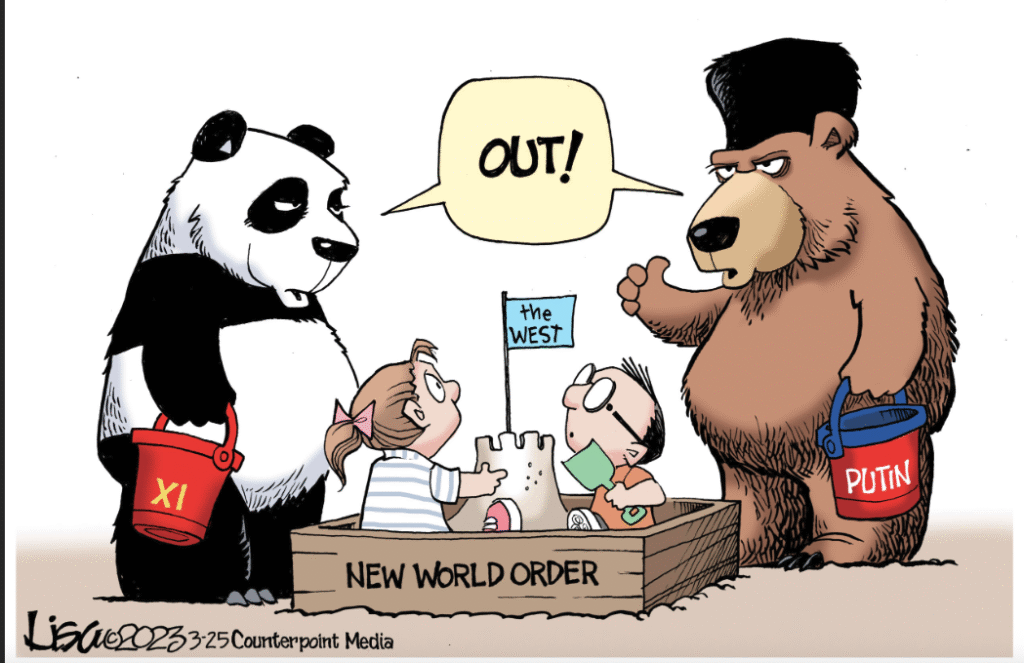
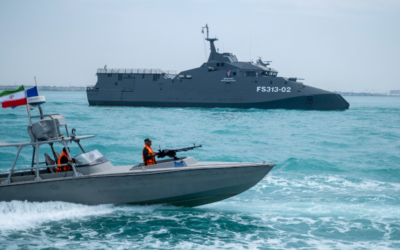
The recent military parade in China brought together some of the world’s most powerful leaders, with Russia and North Korea seen at the front stage in the ceremony. These are powerful demonstrations of unity among dissatisfied nations with Western dominance of Western-led international institutions such as NATO, the G7, and the IMF. It is important to note that these gatherings are not mere ceremonial military parades.
China has taken advantage of the weakened Western institutions and strategically positioned itself at the centre of reshaping the global order by rendering financial assistance in the form of a mega project.
The influence of China extends beyond Asia and can be felt in parts of Europe, as well as in remote areas of Africa, through initiatives such as the Belt and Road Initiative (BRI).
Russia built upon its relationship with China to mitigate the pains of Western sanctions and diplomatic isolation. The recent trade battle between the US and India has prompted Prime Minister Modi of India to leverage his friendship with President Xi of China, thereby simultaneously mitigating the impact of President Trump’s tariffs and providing reassurance of a new direction for India’s security and energy.
The recent large-scale Chinese military parade provides a stage for the world leaders who are attending to discuss actionable strategies on shared interests, from energy, security, and regional stability to technology and funds, which is a significant indication to the world that the Western-led ideology and institutions are replaceable.
Although these alliances possess some element of distrust and imminent danger, China and India have a looming border dispute, while Russia and India cultivate concrete defence cooperation despite Moscow’s alignment with Beijing. The ability of these nations to put aside their differences will determine if the Chinese military parade platform will be remembered as a day of turning points and the beginning of the total overthrow of Western ideology and dominance on the world stage.
Trump’s Tariff Strategy
Reasserting American Power
On the other side of the world, the United States under Donald Trump adopted tariffs as a mechanism to reaffirm American economic power. The main objectives of the tariffs are to protect American industries, reduce trade deficits, and pressure trading partners to accept the available offer. For President Trump, tariffs are not just a tool to make America great again but also a political weapon to portray American strength.
The outcome of the tariff war with China had mixed results. Some industries experienced temporary benefits from reduced competition, but consumers are suffering from high prices, while American exporters face retaliatory measures abroad. Critics argued that disrupting the supply chain, stressing alliances, and introducing unnecessary volatility into the market were a result of the tariff measure applied by the US.
However, tariff advocates disputed that the measure forced long-overdue conversations about fair trade practices, intellectual property theft, and industrial policy.When considered independently from the initial economic intentions of the tariff, these measures also symbolized a significant shift in American global strategy. The United States championed free trade and globalisation for decades, with the assumption of centralizing its economic power and spreading its political ideology. President Trump’s calculation contradicts the traditional American global strategies; in a world where competitors like China are catching up with the US, aggressive measures are needed to maintain dominance. This shift not only confused allies but also inspired rivals to seek alternative systems of cooperation, such as those emerging from the recent Chinese military parade.
Europe’s Drive for Autonomy
Redefining Transatlantic Relations
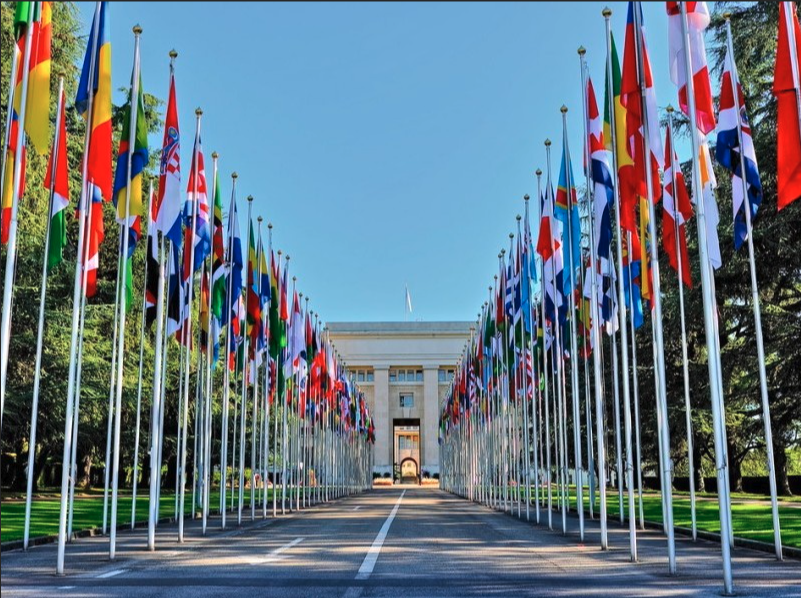
Europe, too, has been rethinking its position on the world stage. The European Union depends heavily on the United States for security and economic integration through NATO and US-led globalisation.
However, disputes over defence spending, growing tension with the transatlantic, and different views on trade and climate change prompted the European leaders to reverse and rethink the US relationship.
Developing independent defense measures and creating a new energy supply route indicate an EU strategic move towards “strategic autonomy,” a sign of actively reducing dependence on the US.
Also, Europe was forced to forge a strong collective identity due to the departure of the UK from Brexit. Additionally, Europe is strengthening its political ties with Asia, Africa, and Latin America as a significant strategy to promote its role as a major global actor.More importantly, it must be noted that this shift comes with its own challenges. There are numerous divided issues among EU nations, from defense spending to foreign policy priorities. Additionally, the indispensable security responsibility shouldered by the US, specifically in the context of tension with Russia.
Nevertheless, the trajectory is clear: Europe is establishing itself as an indispensable and independent pole in the global order.
..……………. Are we witnessing ideological division or pragmatic multipolarity?…………….
…………………………...To be continued……….