Introduction:
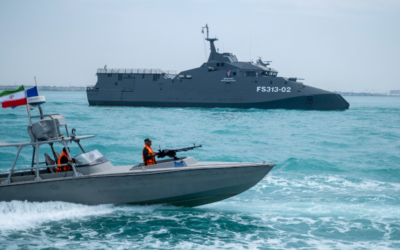
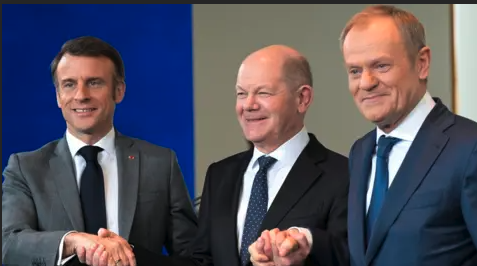
The Strait of Hormuz remains a critical chokepoint for global energy flows, making any disruption a matter of international concern. Following Donald Trump’s appeals for allied support in securing passage, global responses revealed a complex tension between national strategic interests and commitments to collective security. While some states emphasized economic stability and maritime safety, others exhibited reluctance, prioritizing domestic constraints https://www.fpri.org/article/2026/03/the-royal-navy-in-the-gulf/ and geopolitical risks. This divergence highlights the challenges of coordinating multilateral action in crisis contexts where security, sovereignty, and economic imperatives intersect.
Iran has spent over a decade engaged in a massive project of economic engineering designed to survive total isolation https://carnegieendowment.org/middle-east/diwan/2026/03/iran-rewrites-its-war-strategy . This effort resulted in the construction of a parallel shadow infrastructure that has proven more resilient than the Western-affiliated systems it was meant to replace. While Western tankers remain paralysed by insurance withdrawals and legal constraints, the Iranian Shadow Fleet continues to operate with relative impunity. These vessels exist entirely outside the reach of Western finance, Belgium-based SWIFT messaging, and the Protection and Indemnity (P&I) Clubs that provide the vast majority of global ocean-going insurance. Current data highlights the effectiveness of this alternative system. Throughout the conflict, Iran’s oil exports have remained steady at around 1.02 million barrels per day, with nearly all of that supply heading straight to Chinese markets. This trade continues even as Brent crude reached a peak price of $126 per barrel. These systems, designed to evade the maximum pressure of the US dollar, are structurally immune to traditional economic warfare. The very tools used to isolate Iran actually provided the insulation necessary for it to weaponise the Strait of Hormuz. In this context, the term “sanctions” is structurally obsolete. Beyond the movement of crude oil, the tactical approach of the blockade reveals a deeper shift in the geometry of warfare.
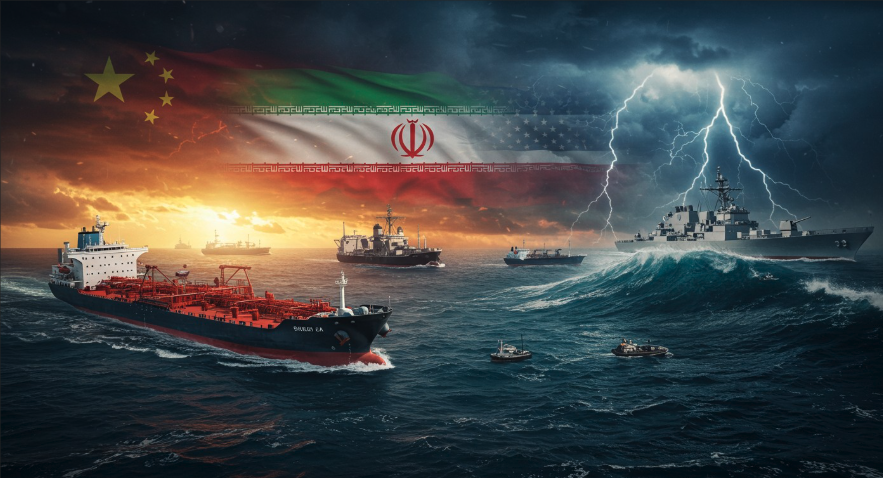
The tactic of maritime denial has shifted from traditional naval blockades to a decentralised system of asymmetric stress testing. This strategy utilises low-cost technology to neutralise high-value https://www.msn.com/en-us/war-and-conflicts/military/watch-strait-of-hormuz-iran-and-naval-mines-an-explosive-mix/ar-AA1Yusyx?ocid=BingNewsVerpmaritime targets. Long-range tankers worth millions now face threats from drones and naval mines costing only thousands of dollars. This creates a permanent structural tilt in favour of the coastal actor. The selective targeting of vessels demonstrates the effectiveness of this playbook. Attacks on ships such as the MKD Vyom and the Athe Nova demonstrate that Iran can strike at will regardless of a vessel’s flag state or perceived neutrality. This has enforced a soft closure of the waterway. In this environment, physical barriers are less important than the enforcement mechanisms of skyrocketing insurance premiums and persistent GPS jamming. The London market insurers’ Joint War Committee has extended multiple Middle East-listed areas, effectively turning the maritime environment into a financial no-go zone. When a drone costing a few thousand dollars can trigger an insurance withdrawal that halts a billion-dollar trade flow, the traditional naval defence system costing millions becomes a liability rather than a solution.
Iran has replaced the concept of a total blockade with a gated corridor that functions as a selective filter for global trade. By establishing a shipping corridor between the islands of Qeshm and Larak, Tehran has introduced a new concept of sovereignty over the Strait of Hormuz. This is not merely a military occupation but a commercial enterprise. Reports indicate that Iran is collecting transit fees of up to $ 2 million per vessel for safe passage. This turns a global public good into a private Iranian asset. Nations such as Pakistan, India, and China have engaged in direct negotiations to secure passage through a Houthi-style virtual corridor system. Under this arrangement, ship owners must email for permission and submit to visual inspections. By granting passage to these specific groups while shutting out Western ships, Iran is effectively constructing its own maritime rules from the ground up. This selective approach undermines the global standard that asserts that the ocean’s trade routes are accessible to all. It compels a fragmentation of global trade, where bilateral deals with a regional gatekeeper, rather than international law, guarantee security. At their core, these new trade routes are revealing the weaknesses in traditional security alliances.
https://www.cfr.org/articles/europe-has-leverage-in-the-iran-war-it-should-use-it
Conclusion:
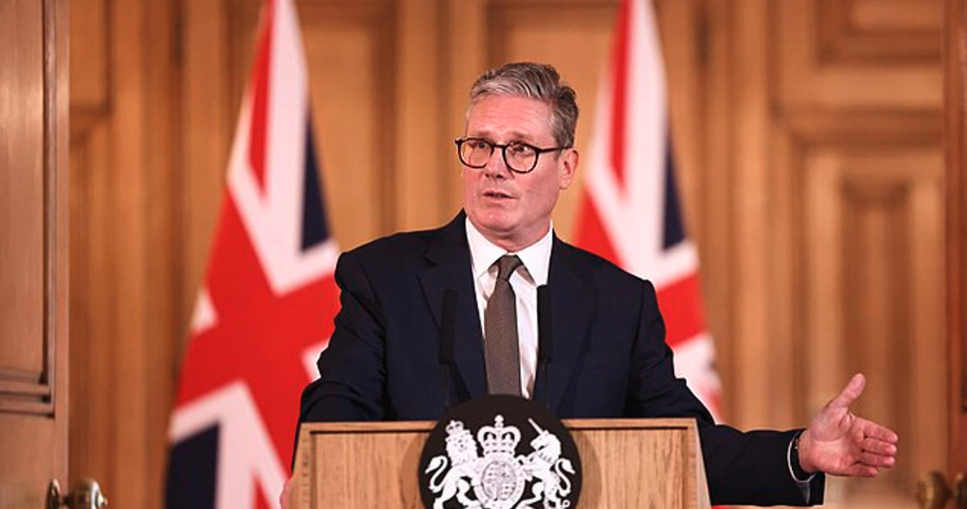
The whole foundation of international safety relies on a united front. The reality on the ground is the opposite of unity. We have uncovered a security framework that is significantly more fragile than previously understood. Between the “America First” doctrine and a lack of shared strategy, traditional alliances are stalling out. There is no broad international backing this time; instead, there’s a deep-seated reluctance. NATO members and Pacific allies alike are keeping their distance from a conflict they didn’t help shape, leaving the G7 fractured and struggling for a way forward. Chancellor Merz has even gone as far as to blame Washington’s “closed-door” approach and lack of transparency for the current stalemate. Paris has taken an even more distant stance, declaring it won’t be drawn into the conflict or risk its naval assets on behalf of others. This lack of support coincides with a technical crisis within the US Navy. Just one month before the conflict began, the Navy deliberately removed a structural redundancy by decommissioning its remaining Avenger-class minesweepers. The decision to scrap these specialised units in Philadelphia has left a gap that the Littoral Combat Ship and experimental drones haven’t filled. There’s still no evidence that these newer, untested systems can handle the job as well as the specialized ships they replaced. As allies pull back, the entire load of global maritime security shifts onto a strained and shrinking US surface fleet.
When you really dig into it, March 2026 represents a total departure from the world we once knew. The old global architecture has been replaced by a jagged map of competing regional power centres. It’s no longer about one big, connected system; it’s about localised blocks protecting their own interests. This isn’t just a phase. The rise of “economic shielding” and asymmetric technological development is weakening the traditional bonds that held the international community together. Sovereignty is no longer defined by geographical boundaries. It’s about who controls the flow of resources. The open sea, once the backbone of global wealth, is being turned into a gated community. If the pillars of international security are truly failing, we have to ask, can a global economy built on open access survive when the world’s most critical chokepoints are run by selective gatekeepers?