Introduction
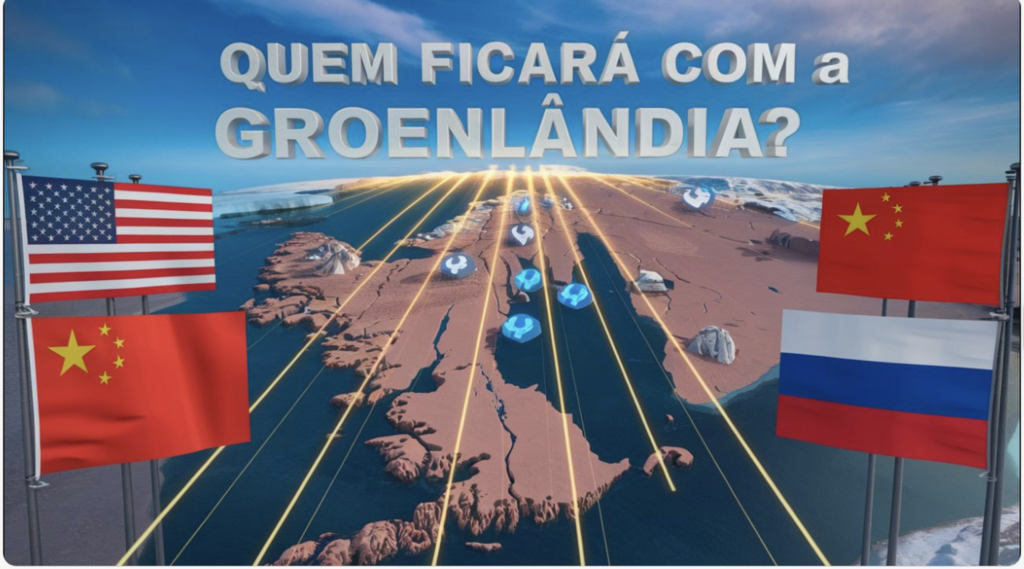
Greenland, a vast Arctic island of ice and rock, is governed by the Kingdom of Denmark. The island has attracted international attention due to climate change, melting sea ice, and an essential mineral deposit, all of which exacerbate competition among great powers in global strategic affairs. The phenomenon emerged as one of the most consequential geopolitical flashpoints of the early 21st century. Recently, U.S. President Trump advocated for the U.S. acquisition or control of Greenland as a matter of national security to counter Russian and Chinese influence in the region, igniting global debate. For the European Union to oppose the United States’ decision, President Trump promised to take concrete policy actions, including threats of tariffs in response to their opposition to U.S. ambitions, setting off alarms across diplomatic and academic circles.
Arguably, from an expert perspective, the presence of Russia and China poses minimal direct danger to Greenland itself, but the strategic position of the island, which is adjacent to Greenland-Iceland-United Kingdom (GIUK) and closer to key Arctic sea lanes, creates a potential transformation for the international power balance during a momentary shift in control. https://abcnews.go.com/Technology/wireStory/greenlands-role-nuclear-defense-trumps-golden-dome-129449143
Focusing on economic, military, and diplomatic perspectives, it is vital to examine the evolving Arctic competition and what is at stake for China and Russia should the United States strategically take control of Greenland.
Greenland’s Strategic Importance in The Arctic
Greenland’s strategic location and resources are the major factors that attract the United States and other global powers. The island is a naval checkpoint vital for control and monitoring access between the Arctic and the North Atlantic. Greenland also hosts the U.S. Pituffik Space Base, formerly known as Thule Air Base, which serves as a missile-tracking installation, providing early warning for North American defence. Moreover, the untapped mineral resources, which include rare earth elements vital to the production of high-technology and military systems, further intensify global powers’ interest. According to U.S. Geological Survey data, Greenland is the world’s largest holder of rare earth reserves, while China is already present there, securing stakes in some potential mining projects.
The Arctic has progressively shifted from a cooperative region to a competitive atmosphere for great powers . The United States’ National Security Strategy analyzes and indicates that the presence of Russia and China in the region poses a potential economic and security risk to the United States.
What China could lose in the Arctic
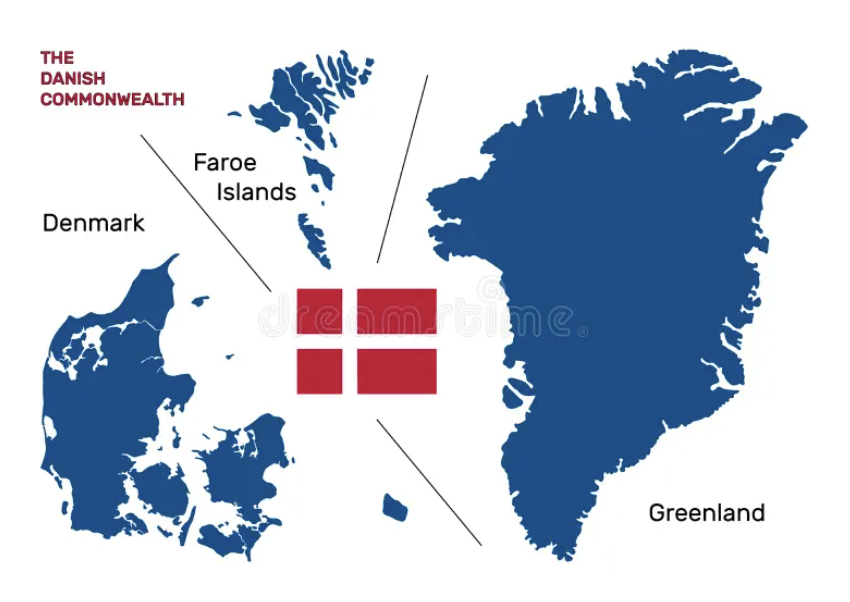
China’s economic and resource interests in the Arctic are at stake if the U.S. takes control. https://www.bitget.com/news/detail/12560605165955 . China has a strategic ambition to become a “polar great power,” even though Beijing is not an Arctic state, but its leadership aims to expand Beijing’s influence across the region through scientific expeditions, expanded icebreaker fleets, strategic investments, and diplomatic engagement, https://www.brookings.edu/articles/northern-expedition-chinas-arctic-activities-and-ambitions/ .This indicates that it will be a game-changer for Beijing if Washington takes over the Arctic, given the two countries’ economic and security interests.
The level of investment in the Arctic by Chinese companies is enormous, particularly in rare-earth element deposits, which are key inputs for electric vehicles, semiconductors, and defence technologies. A typical example is Shenghe Resources, a Chinese company that holds a stake in the proposed Kvanefjeld project, and more Chinese firms are also involved in mineral exploration, https://etransmin.com/kvanefjeld-project/#:~:text=Kvanefjeld%20will%20consist%20of%20a,the%20operation%20through%20revenue%20offsets.
Therefore, the strategic control of Greenland might give China a significant setback; the U.S. oversight could complicate or block Chinese investment and infrastructure projects, restrict access to resource development, and reduce Beijing’s progressive ability to forge bilateral ties with Greenland authorities. Reducing Beijing’s access to critical minerals and depriving it of leverage over the global supply chain is what China does not want, and it might come to reality if Washington is in charge of Greenland.
Strategic Influence and Geopolitical View
Beijing seeks to build influence through commercial and scientific activities, a soft power strategy that China applies to expand and strengthen its global reach. China’s presence in the Arctic also aligns with Beijing’s broader strategic global ambitions, including its presence in global governance bodies and its contribution to alternative trade routes through the Northern Sea Route. Although China’s immediate military presence in the region is limited, it remains one of the U.S.’s greatest concerns. Moreover, U.S. control over the Arctic, bolstered by a unified American Arctic posture, could deepen Washington’s ties with other NATO Arctic allies, further isolating China’s long-term objectives of shaping Arctic norms and integrating the region into the expansive Belt and Road Initiative.
Russia’s Potential Losses
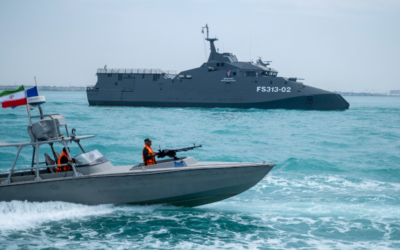
The military and strategic posture is paramount for Russia. Putin views the Arctic as a strategic priority essential to national defence, economic interest, and maritime access. In Greenland, Moscow has strategically invested in nuclear icebreakers , https://www.neimagazine.com/news/nuclear-icebreaker-triumphs-in-arctic-escort/reinstated Soviet-era northern military bases , deployed sophisticated air defence, and exploited hydrocarbon and mineral resources. Half of the Arctic coastline is already controlled by Russian forces, and the region remains a key element of Moscow’s defence strategy, specifically in the context of tensions with NATO. U.S. control of Greenland.
This is a critical gateway for Russian access to the Atlantic, and U.S. control of Greenland could constrain Russia’s strategic freedom and intensify tension in maritime chokepoints.
Resources Access and Economic Competition
The presence of the U.S. in Greenland might shift the phase of competition in the region, even though Russia leads in Arctic hydrocarbons and shipping infrastructure. If Washington takes control and prioritises. Western investment in Russia or China could see reduced Moscow influence over cross-border Arctic projects. Also, U.S. naval and air deployments from Greenland bases could disrupt Russian plans for uninterrupted access across Arctic waters.
Russia may not only lose to the U.S. alone, but also face a more aggressive NATO presence. Washington’s presence will solidify NATO’s posture in the High North, curtailing Russia’s efforts and limiting Moscow’s strategic economic and military mission.
Diplomatic and Institutional Consequences
Russia’s use of the Arctic Council and related forums to shape Arctic governance could also be affected in the case of U.S. control of Greenland. Stronger Western coordination may be more effective and make it harder for Moscow to leverage diplomatic engagement to mitigate sanctions and geopolitical isolation. The consolidation of Western alignment in Arctic policy through the U.S. could weaken Russia’s capacity to negotiate from a position of strength within the multilateral ecosystem.
More importantly, according to some experts, the premise that Russia or China presents an imminent threat specifically to Greenland can be argued as an exaggeration from Trump and not fully grounded in on-the-ground realities. Both Greenland and Danish authorities have rejected the U.S. acquisition proposals, advocating defense within NATO frameworks and emphasizing respect for sovereignty and international law.
Conclusion
The ongoing strategic competition over Greenland is an indication of a broader shift in the global power arena, where the Arctic has become a battlefield for great-power contests. China views U.S. control of Greenland as an obstacle to Beijing’s economic opportunities in mineral extraction, curtails its diplomatic standing in the Arctic, and reduces its long-term strategic ambition to become a polar power. For Russia, the U.S.’s control is a factor that would hinder Moscow’s military balance and maritime access; moreover, it could strengthen NATO’s hold over critical chokepoints, prevent Russia’s strategic position in the North Atlantic, and build Western influence in Arctic governance.
However, the global power intentions in the region must be balanced with local sovereignty interests, the complexity of international law, and the views of Greenland’s government and its people, all of which require careful consideration. The global debate centres on theoretical risk and strategic calculations, but the real trajectory of the Arctic situation will be shaped by multilateral diplomacy and domestic Arctic policy.