Introduction
Football has been lauded as the world’s most popular sport, and for decades it has been a way to cross borders, cultures and political differences. Underneath the veneer of international contest lurks a complex and insidious truth: football has evolved into a crucial geopolitical tool for exerting influence in the global arena.
The battle between the most powerful countries has moved beyond the usual strategies (military might, economic domination, or diplomatic alliances). The U.S.-China rivalry is rising, and the world is now seeing a superpower project its strength through soft power in sports competition. Soft power is relevant in modern diplomacy, as evidenced in Russia’s tactics to circumvent Western sanctions.
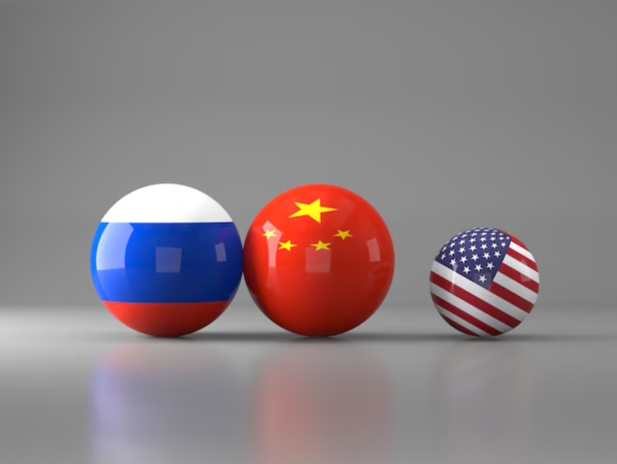
Football is becoming a major player in world politics, with states https://www.bbc.com/news/articles/c98rzgrv7vmo using it to project their image, build international ties, and enhance their standing in the world. The world’s three most powerful countries—the US, China, and Russia—have each embraced special measures to harness football as a route to global dominance in their own way, showing how sport has become a key tool in modern geopolitical competition.
Football as a Tool for Soft Power
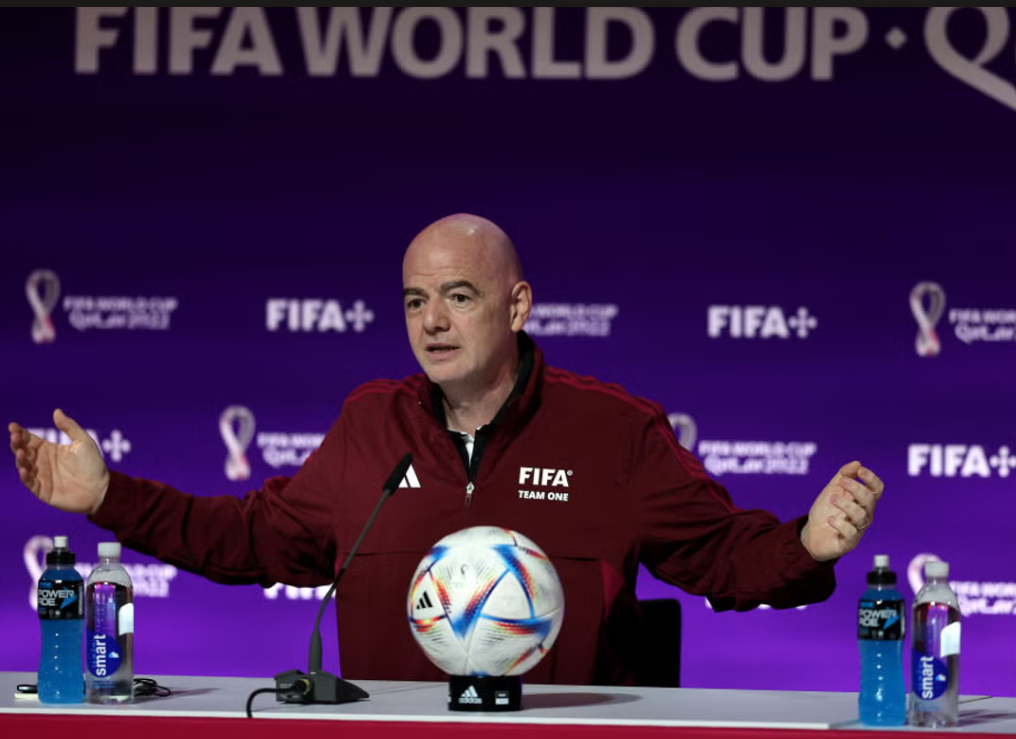
Joseph S. Nye, Jr., a political scientist and former Assistant Secretary of Defense for International Security Affairs of the United States, introduced the concept of soft power, defining the term “SOFT POWER” as a country’s ability to influence others through attraction rather than coercion. Unlike a military approach or economic sanctions, soft power relies solely on culture, values, institutions, and global recognition to shape or amend perceptions and behaviors.
Football is viewed as the best platform for soft power to exert its influence. The game has billions of followers globally and offers countless opportunities for countries to display their culture, infrastructure, governance capabilities, and economic progress. It also allows the United States a chance to exhibit its infrastructure, technological capabilities, and multicultural society to the world. Moreover, the event is an opportunity for the participating countries to collaborate, thereby advancing bigger diplomatic aims.
The success of this approach can bolster bilateral relations, attract foreign investment, improve national building, and elevate global visibility. The event also strengthens existing cooperation among participating nations and elevates diplomatic objectives.
The United States and the Rise of Football Diplomacy
Historically, football’s role in American sports culture has been modest compared with basketball and baseball. But during the past two decades, interest has moved considerably.
The most important milestones in the American football journey may be seen in the awarding of the 2026 FIFA World Cup to the United States, Canada and Mexico, https://www.nss-sports.com/en/lifestyle/45750/fifa-world-cup-2026-costs-security-geopolitics. The tournament is expected to be one of the biggest sporting events of all time and will also offer a unique chance to improve the international image of the United States.
From a geopolitical perspective, the World Cup fulfils a number of strategic functions.
More importantly, it enhances America’s status as a powerful nation capable of hosting major international events. It also gives the United States a chance to showcase its infrastructure, technological prowess, and multicultural society to the world.
Moreover, the event promotes cooperation amongst the participating countries, which helps to further achieve broader diplomatic goals.
The US is expanding its presence, showing the growing influence of American investors in the European football ecosystem. American investors hold major stakes and have a substantial presence in a number of European clubs, especially in England, Italy and France.
The investment plan is a means to demonstrate the interest of American industry and its growing appetite to shape the global football market. There is little doubt that the United States has viewed football as a way to tap new markets, notably in Africa, Asia and Latin America, where football is quite popular.
China’s Long-Term Football Ambitions
China’s football strategy is a measure that mirrors its aspiration to become a recognized international power. Chinese policymakers have incorporated football into the long-term national development plan.
Beijing has invested heavily in football infrastructure, https://mysinchew.sinchew.com.my/news/20260615/mysinchew/7587811 youth academies, training programs, and international partnerships, primarily because football is seen as enhancing China’s international image and strengthening Beijing’s influence.
Chinese firms have also been busy sponsoring international competitions, clubs, and governing bodies. Beijing uses this investment conduit to boost its presence in international football governance frameworks while pushing its economic objectives on the world arena.
Most importantly, China’s football policy is a way to use sport as a diplomatic tool to enable exchanges, development programs, and cooperation agreements, increasing Beijing’s ties with countries across Africa, Asia, and Latin America.
It involves full-fledged foreign policy objectives, including infrastructure development and trade relationships.
China may still be far from achieving footballing success at the elite level, but its approach suggests a long-term commitment to using the sport as a key soft-power tactic. Football could have the potential to increase global awareness and participation, but it might not fully offset the wider geopolitical environment.
Russia’s Pursuit of Influence Through Sport
Like other great countries, Moscow uses sport as a means of projecting status and international influence. Sporting achievement has played an important role in projecting the strength of the nation from the days of the Soviet Union to this day https://www.bbc.com/sport/football/articles/c4gry9zp412o Russia’s most significant soft power initiative was obvious during the 2018 FIFA World Cup.
The event has shown Moscow’s organizational skills, its contemporary infrastructure, and its cultural openness. Most significantly, it was an opportunity to change the world’s impression of the country and improve its international image.
The geopolitical landscape for Russia has shifted dramatically since the 2018 FIFA World Cup. Since then, Moscow has been hit by a wave of international sanctions and diplomatic strains and confrontations that have hampered its participation in numerous world athletic events.
Even with this succession of setbacks, football remains a key method for Moscow to retain its worldwide exposure and influence. Moscow has resorted to investment instruments such as sponsorship deals and sporting alliances to extend its reach in international football. Even geopolitically isolated countries can scale up their outreach to global audiences through sports, one of the few major channels.
What the foregoing shows from Russia’s experience is that sports diplomacy offers both chances and constraints. It’s possible that football can raise worldwide knowledge and involvement but may not be able to completely offset broader geopolitical realities.
Football Clubs, Sponsorships, and Sovereign Wealth Funds as Geopolitical Instruments… To be continue